"Wisdom comes from many experiences"
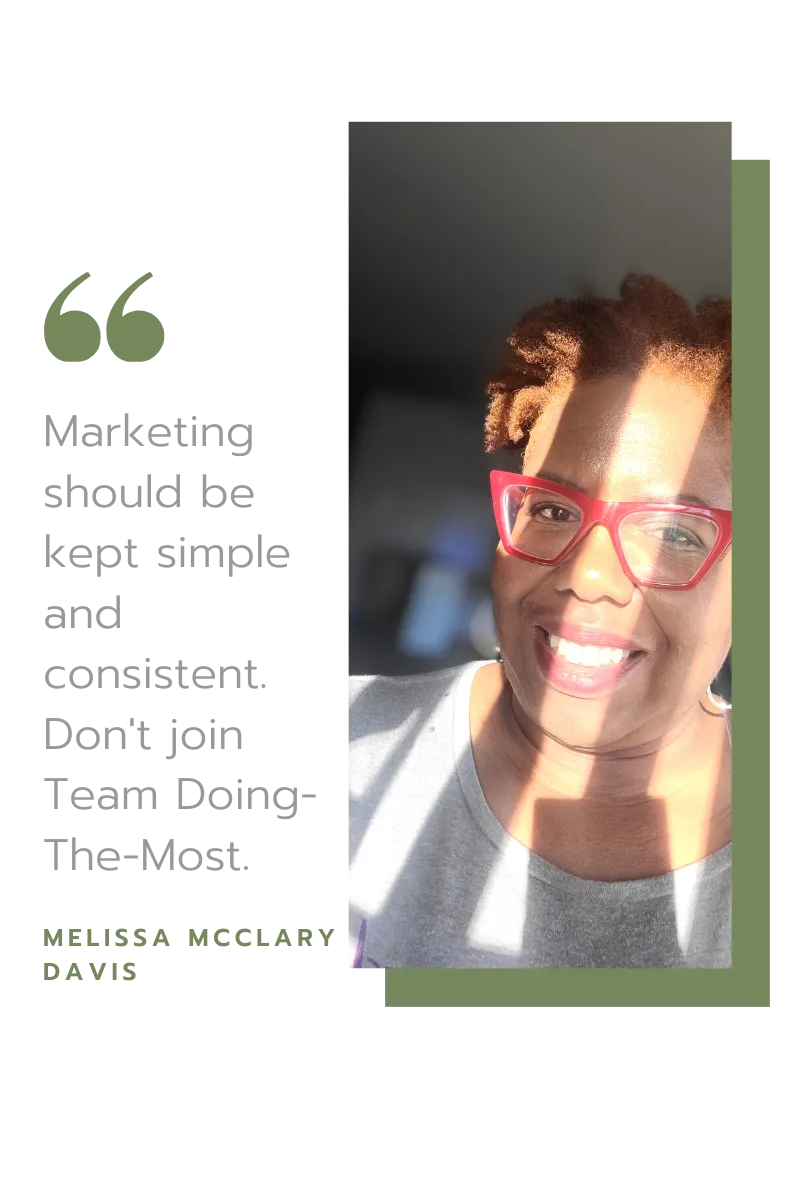
Melissa McClary Davis
is the Founder and CEO. She has established herself as a leading expert in the digital marketing industry with over 25 years of digital marketing experience with Fortune 500 companies in a diverse range of industries including
Coca-Cola, AT&T, Ford, General Motors, State Farm, Hallmark Cards, Lane Bryant, Best Buy, Facebook and Instagram.
In addition to serving the top corporate echelon, Melissa’s passion for problem-solving has also led her to provide top-tier marketing services to small business owners to support them in successfully navigating digital marketing. As a result, her clients achieve noteworthy sales conversion and high ROI with marketing strategies that reach maximum market shares in the digital universe.
Melissa leads a team of experienced strategists, data analysts, graphic designers, ad specialists with over 80 years of digital or marketing experience.
The WDM Blog & Case Studies
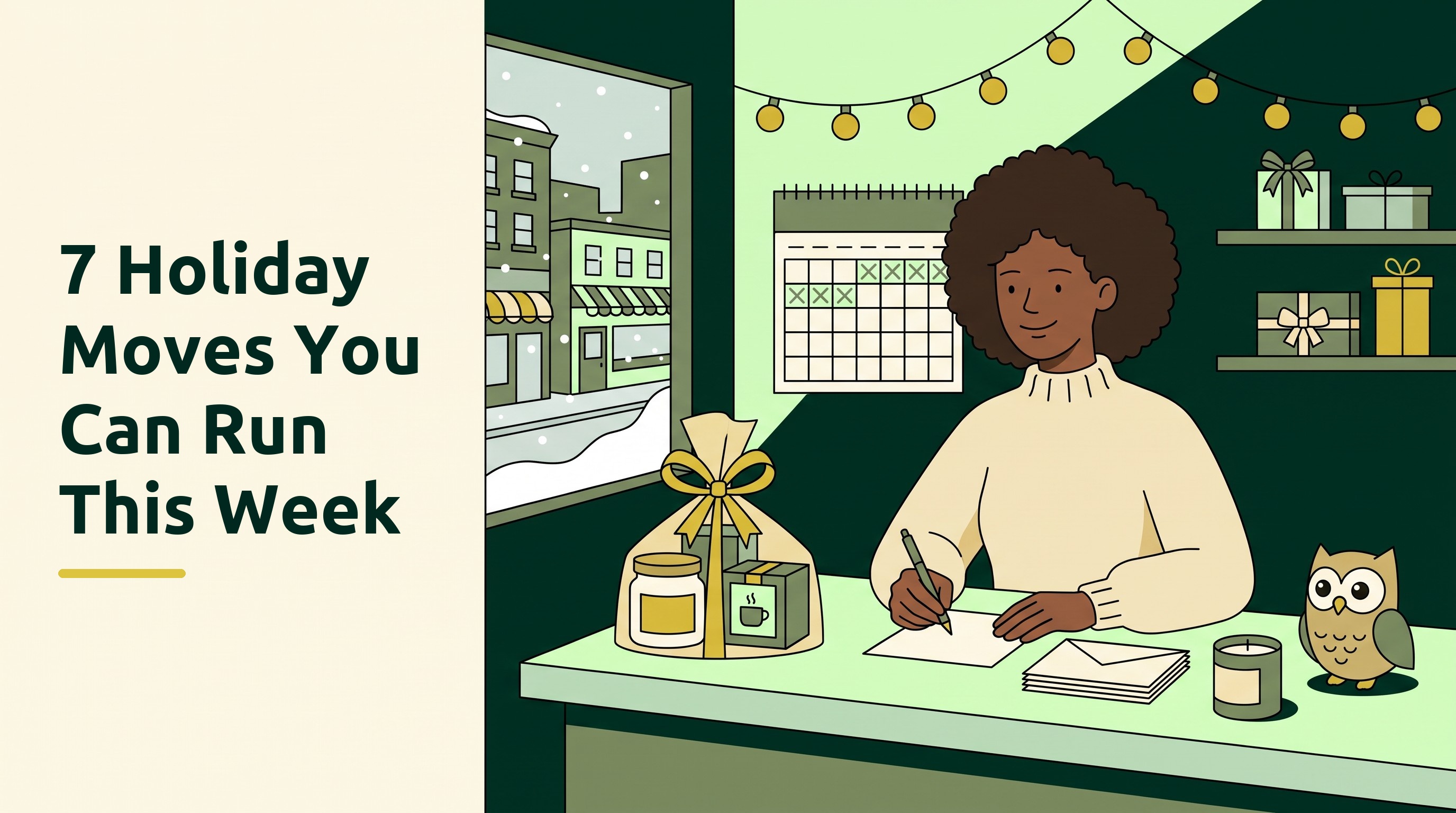
7 Holiday Moves You Can Run This Week
Big brands spend millions on their holiday campaigns. You don't have to. You can borrow their best ideas and run them on a small-business budget.
The National Retail Federation expects 2026 to be the first holiday season to pass $1 trillion in retail sales. That money is going to get spent somewhere. Between now and Christmas, these seven moves can help some of it land with you.
Each one comes from a big-brand campaign, and each one can be scaled down to fit your business. You don't need all seven. Pick one and run it this week.
1. Start a countdown (borrowed from Macy's)
Macy's started a 100-day countdown to its Thanksgiving Day Parade, with a countdown display right in Herald Square. It turned a date on the calendar into something people looked forward to.
You don't have 100 days, and you don't need them. Pick a moment that matters to your customers, like Small Business Saturday, the last shipping day before Christmas or your own holiday open house, and count down to it. Post one short update a day. Use the holiday hashtags so your posts ride the wave of holiday content that's already out there.
2. Turn Giving Tuesday into a giving week (borrowed from Wild Turkey)
Wild Turkey tied its Thanksgiving campaign to a donation project aimed at funding 1.2 million meals for people who need them. People are already feeling grateful this time of year, and the campaign leaned into that.
Giving Tuesday falls right after Thanksgiving. Stretch it into a full week. Pick a local organization you care about and promote it all week. Give a portion of sales, collect donations in your shop or just shine a light on the work they do. I've done this with Mosaic Youth Theatre here in Detroit, where I sit on the board. It costs very little, and it shows people what your business stands for.
3. Team up for a shop crawl (borrowed from Amex Small Business Saturday)
American Express started Small Business Saturday back in 2010, and now it's a real shopping event. If you're not promoting it, start. Even a simple post acknowledging the day helps.
Then go one step further and plan a shop crawl. Partner with a business that complements yours, like a bakery and a florist or a boutique and a coffee shop, and send your customers to each other. It doesn't have to be your next-door neighbor, and it doesn't have to be on Saturday. Pick your own day. You've just doubled your promotion without doubling your budget.
4. Create a recurring character (borrowed from Walmart)
Walmart teamed up with the Muppets for a long-form take on A Christmas Carol. A familiar character gives people something to recognize and look forward to.
Your business can have one too. It could be a mascot, the owner, a staff member or a shop pet, anyone who can come back every season. My mascot is Owly, the wise old owl, and if you book a call with me or send me a DM, Owly might show up. With AI tools, creating a character is easier than it's ever been. Just make it someone people can latch onto.
5. Become the gift expert (borrowed from Target)
Target created an "Academy of Giftology" with a chief giftologist whose whole job is recommending gifts. People are always hunting for unique ideas, especially for the person who has everything.
Be that person for your customers. Go beyond your usual gift bundle and pair your product with something unexpected. Pair honey with tea. Pair a candle with a playlist. Show people how to turn what you sell into an experience. Film a quick video on your phone, even in your car. It doesn't have to be slick. It just has to be helpful.
6. Tell a customer story (borrowed from Tiffany & Co.)
Tiffany's "Love Is a Gift" campaign included a two-minute film about a mother and daughter. It wasn't really selling jewelry. It was selling emotion.
Your customers have stories too. Film 60 to 90 seconds on your phone of a customer talking about what your product means to them. If they won't get on camera, use audio from a phone call, or read a written review out loud over a photo. Then put that story to work. Text it or email it to your past customers along with your holiday note. It turns a simple thank-you into something people remember.
7. Bring back the human touch (borrowed from Prada)
Prada's "Animated by Hand" campaign turned real actors into hand-drawn animation, and it showed the behind-the-scenes work of how it was made. That's the point: people want to see the human part.
A lot of holiday content is starting to look the same, especially the AI-made holiday cards. That's your opening. Write your thank-you cards by hand. Draw your own holiday card, take a photo of it and get it printed. Show the making of what you do. Stop trying to look slick. Look like a person.
Pick one and run it this week
You don't need a big budget to have a big holiday season. You need one good idea and the follow-through to run it. Choose the move that fits your business best and start this week.
Not sure which one to start with? Take my free Revenue Gap Finder quiz. It takes about three minutes and shows you where your marketing is losing money right now, so you know where to start.
Want to see all seven campaigns in action? Watch the full episode on my YouTube channel, Marketing Money Moves.

FAQS
What does a business management consultant do?
A business management consultant is a professional who provides expert advice and guidance to organizations to help them improve their overall performance and efficiency. They analyze the company's operations, identify areas for improvement, and develop strategies and solutions to address specific challenges. Consultants often work with businesses on a wide range of issues, including process optimization, cost reduction, strategic planning, and organizational development.
How much do business management consultants typically charge for their services?
The fees for business management consultants can vary widely based on several factors, including the consultant's experience, the complexity of the project, and the geographic location. Typically, consultants charge either an hourly rate, a daily rate, or a project-based fee. Hourly rates can range from $100 to $300 or more per hour, while daily rates can range from $1,000 to $3,000 or more per day. Project-based fees will depend on the scope of work and can range from a few thousand dollars to several hundred thousand dollars for larger, more complex projects. It's essential to discuss fees and payment structures with potential consultants during the initial consultation.
How long does it take for a business management consultant to deliver results or recommendations?
The timeline for seeing results or receiving recommendations from a business management consultant can vary depending on the nature and scope of the project. Some smaller projects may yield results in a matter of weeks, while larger, more complex initiatives may take several months to complete. The consultant should provide you with a clear project timeline and milestones during the initial engagement. It's important to note that the speed of results can also depend on how quickly the organization can implement the consultant's recommendations.
